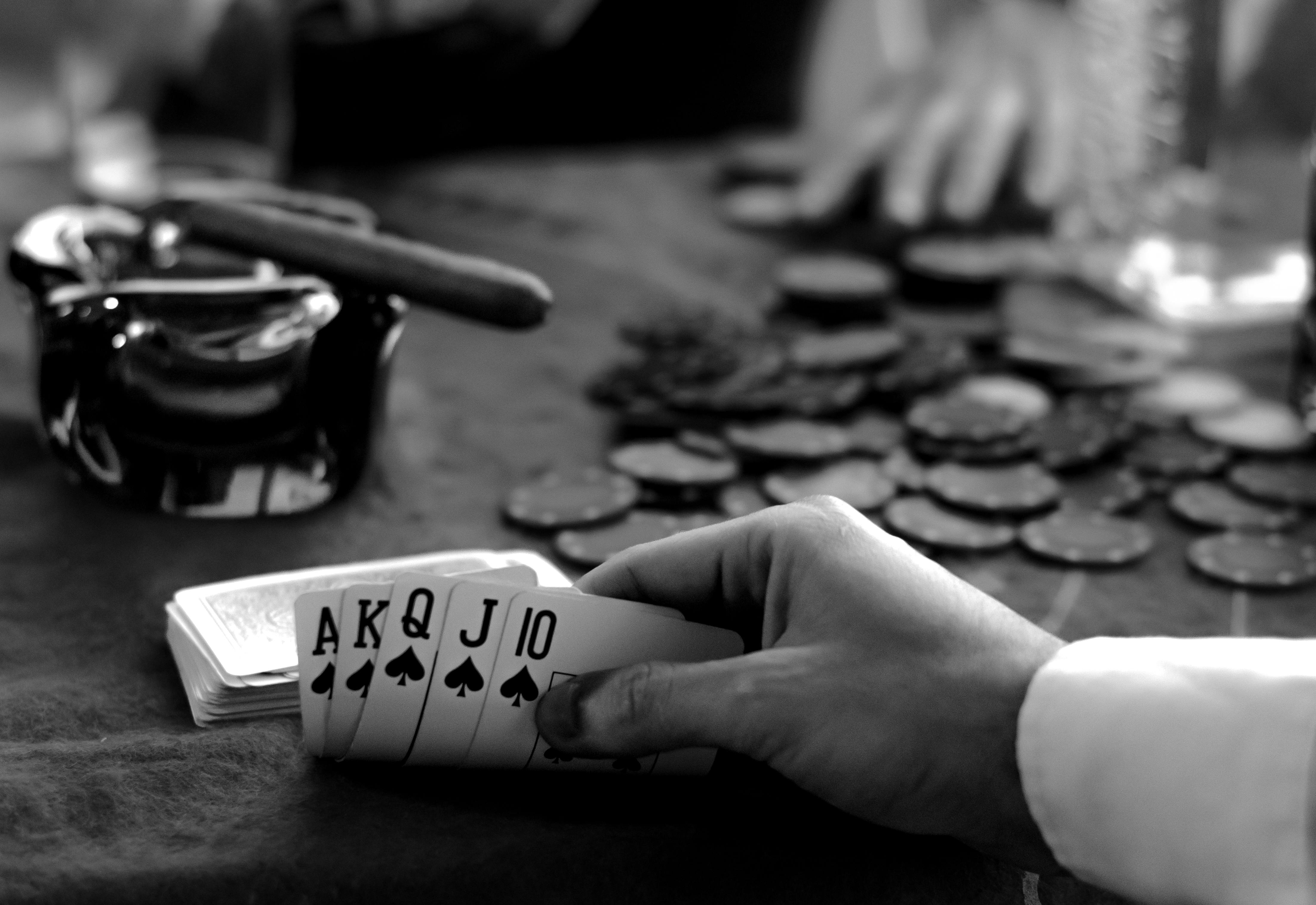
Understanding addiction and recovery in the world of gambling
Understanding addiction and recovery in the world of gambling
The Nature of Gambling Addiction
Gambling addiction, often referred to as compulsive gambling, is characterized by an uncontrollable urge to participate in gambling activities despite the negative consequences. This behavior can stem from a combination of psychological, social, and environmental factors. The thrill of winning can create a cycle of reinforcement, making it difficult for individuals to recognize the harm they are causing to themselves and others. Many players turn to slot apps for entertainment, but this can sometimes escalate into a serious issue.

Understanding gambling addiction involves recognizing the distinction between games of chance and games of skill. While games of chance rely heavily on luck, such as slot machines and lotteries, games of skill, like poker, require strategy and experience. However, both types can lead to addiction, as players often misinterpret their chances of success, driving them deeper into compulsive behaviors.
Signs and Symptoms of Gambling Addiction
Identifying the signs of gambling addiction can be challenging, both for the individual and their loved ones. Common symptoms include preoccupation with gambling, increasing amounts of money spent, and a willingness to gamble even when it negatively affects one’s life. Financial issues, relationship problems, and feelings of guilt or shame are also prevalent among those struggling with this addiction.
Another significant indicator is the need to gamble with increasing amounts of money to experience the same level of excitement. This escalation often leads to a detrimental cycle, where the gambler may borrow money or even engage in illegal activities to fund their addiction, further complicating their situation and recovery process.
The Impact of Gambling Addiction
The repercussions of gambling addiction extend far beyond personal distress. Families often bear the brunt of the fallout, facing emotional turmoil, financial instability, and a breakdown in trust. The impact on relationships can be profound, leading to isolation and a sense of hopelessness for both the gambler and their loved ones.
Moreover, gambling addiction can have wider societal implications. Communities may experience increased crime rates, as individuals resort to unlawful means to finance their gambling habits. Public health systems can also be strained as more individuals seek treatment for related issues, such as mental health disorders and substance abuse, highlighting the urgent need for awareness and comprehensive support systems.
Pathways to Recovery
Recovery from gambling addiction is a multifaceted journey that often requires professional help. Treatment options may include therapy, support groups, and, in some cases, medication. Cognitive-behavioral therapy (CBT) has shown promise in addressing the underlying thought patterns that contribute to compulsive gambling, helping individuals develop healthier coping mechanisms.
Support groups, such as Gamblers Anonymous, provide a community for those in recovery to share their experiences and challenges. These forums foster an environment of understanding and accountability, which is crucial for maintaining sobriety and rebuilding lives impacted by gambling addiction.

Resources for Help and Support
For those seeking information and assistance regarding gambling addiction, there are numerous resources available. Educational websites dedicated to gambling awareness provide insights into understanding addiction, as well as practical advice for individuals and families affected by this issue. These platforms often offer tools for self-assessment and connections to treatment providers.
In addition to informational resources, many organizations focus on advocacy and prevention, promoting responsible gambling practices and supporting public health initiatives. Engaging with these resources can empower individuals on their path to recovery, emphasizing that they are not alone in their struggles and there is hope for a healthier future.